Beaverton, OR · Washington County
Residential Mold Remediation in Beaverton, ORAttic Mold Removal & Mold Inspection Services
After a leak or flood, residential mold remediation in Beaverton cover post-flood mold remediation, black mold remediation and mold odor elimination.
Answered 24/7
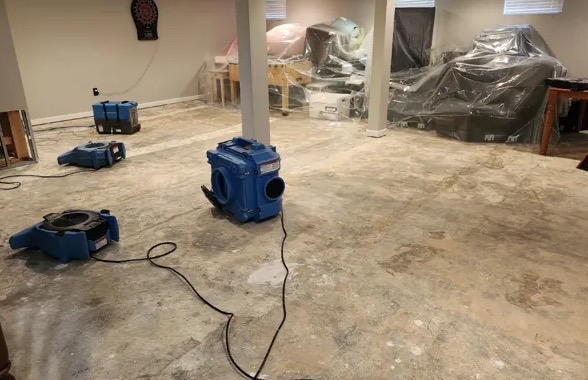
Mold Removal for Beaverton Homes and Businesses
Mold can cause allergy and breathing symptoms, especially for people with asthma. In Beaverton, visible mold or a musty smell means it is time to find the moisture source.
In Beaverton, mold often shows up after a leak under a sink, a roof leak or a flood that was not fully dried. Local mold removal experts also handle mold in Cedar Hills, West Slope and Raleigh Hills.
Residential Mold Remediation Offered in Beaverton
Attic Mold Removal
Leaky roofs and bathroom fans that vent into the attic are common causes. The pros remove the mold from framing and sheathing once the moisture source is fixed.
Mold Inspection Services
An inspection looks for visible mold, musty odors and the moisture behind them. Moisture meters and thermal cameras help find wet areas inside walls and under floors.
Black Mold Remediation
Dark mold on drywall or wood is handled the same way as any large mold patch: the area is sealed off, damaged material is removed and the framing behind it is cleaned.
Crawl Space Mold Abatement
A musty smell inside the house can start in the crawl space. Affected joists are cleaned, damaged insulation is removed and moisture problems are noted for repair.
Mold Odor Elimination
Musty odor comes from mold and damp materials. Removing the mold and drying the area is the main fix, and air scrubbers help clear what remains in the air.
Warning Signs You Need Residential Mold Remediation in Beaverton
Stains or Discoloration
Yellow or brown stains on ceilings and walls show where water has been. Mold often grows in the same spot or just behind it.
Damp Basement or Crawl Space
A lower level that always feels damp or smells musty is a common place for mold on walls, joists and stored items.
Allergy Symptoms Indoors
Sneezing, coughing or itchy eyes that ease when you leave the house can be a sign of mold. A doctor can tell you more.
Musty Smell That Will Not Go Away
A damp, earthy smell often means mold is growing somewhere out of sight, such as inside a wall, under flooring or in ductwork.
How Residential Mold Remediation Works in Beaverton
Step 1: Mold Inspection and Testing
An inspection maps where the mold is. Testing may be suggested when mold is suspected but not visible.
Step 2: Protecting the Rest of the Home
Doors and vents near the work area are sealed and air filtration is set up before any removal.
Step 3: Removing Moldy Materials
Porous materials with mold are removed. Hard surfaces such as framing are cleaned rather than replaced.
Step 4: Drying the Structure
Dehumidifiers dry the area so mold does not regrow before walls and floors are rebuilt.
Sources of Moisture Behind Mold
Floods Not Fully Dried
Flooding that is mopped up without dehumidifiers and air movers leaves moisture in walls and subfloors where mold grows within days.
Appliance Leaks
Leaking dishwashers, washing machines and refrigerator water lines soak floors and cabinets, often out of sight.
AC Condensation Problems
A clogged condensate drain or a cracked drain pan leaks water near the air handler, and mold grows on nearby drywall and ductwork.
Basement Seepage
Water seeping through foundation cracks keeps basement walls and floors damp, which leads to mold on drywall, framing and stored boxes.
Residential Mold Remediation for Homes and Offices in Beaverton
Residential Mold Remediation
After a flood or long leak at home, moldy carpet, pad and lower drywall are removed and the structure is dried before rebuilding.
Commercial Mold Remediation
Restaurants, clinics and schools need mold removed carefully around people. Containment and air scrubbers keep work areas separated.
DIY Mold Removal Risks in Beaverton
You can fix a dripping faucet, run bathroom fans and use a dehumidifier. Mold on drywall or wood that keeps coming back usually means hidden moisture that needs to be found.
Estimating Mold Cleanup Costs in Beaverton
Most of the cost comes from containment, removal of moldy drywall or insulation, cleaning and drying. Rebuilding is usually priced separately.
Hidden Moisture
If the leak is still active or materials are still wet, drying adds days of equipment time before the job is finished.
Rebuilding After Removal
Replacing drywall, insulation and flooring after mold removal is often priced separately from the remediation itself.
HVAC Involvement
Mold in ducts or the air handler adds cleaning or replacement of duct sections on top of the room work.
Does Insurance Cover Residential Mold Remediation?
Some policies have a separate mold limit. Ask your insurer what applies before work starts and keep photos of the damage.
What Local Mold Removal Experts Offer
Clear Scope Before Work Starts
An inspection sets out what will be removed, cleaned and dried before any work begins, so there are no surprises.
Finding the Moisture Source
The pros look for the leak, condensation or seepage behind the mold, since removing mold without fixing moisture does not last.
Containment That Protects Clean Rooms
Plastic sheeting and negative air keep spores in the work area so mold is not spread through the house during removal.
24/7 Mold Cleanup After Water Damage in Beaverton
Mold after a leak or flood in Beaverton? Stop the water if you can, keep the area closed off and call (503) 664-9370. Help is available 24/7.
Call Now (503) 664-9370Residential Mold Remediation Coverage in Beaverton, Cedar Hills, West Slope and Raleigh Hills
From Beaverton to Cedar Hills, West Slope and Raleigh Hills, the experts remove mold and the damaged materials it grew on.
Common Mold Removal Questions Answered
Does homeowners insurance cover mold removal?
Sometimes, when mold comes from a sudden covered water event. Mold from long-term leaks or humidity is often excluded. Check your policy.
Is black mold more dangerous than other mold?
Any mold can cause allergy and breathing symptoms. The removal method is the same regardless of color: contain, remove, clean and dry.
What do mold remediation services include?
An inspection, containment of the affected area, removal of moldy materials, cleaning and HEPA vacuuming, and drying until moisture readings are normal.
What should I do while I wait for an inspection?
Avoid disturbing the mold, keep the area closed off, stop any active leak if you can and take photos for your records.
Do I need mold testing?
Not always. If mold is visible, testing often adds little. It can help when mold is suspected but cannot be seen.