Beaverton, OR · Washington County
Mold Spore Removal in Beaverton, ORMold Contained Removal & Mold Spore Air Scrubbing
Mold Spore Removal in Beaverton covers services like HVAC duct mold cleaning, post-flood mold prevention, and mold spore air scrubbing.
Answered 24/7
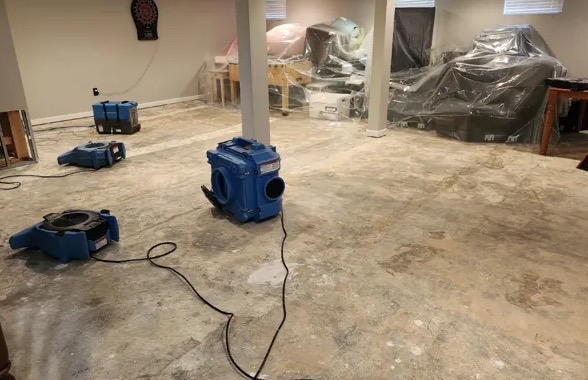
Effective Mold Spore Removal for Beaverton Properties
Mold spore removal safeguards property value and occupant health in Beaverton, where damp conditions may encourage microbial growth. Left unchecked, mold leads to deterioration of walls and insulation, raising repair costs. Effective mold abatement stops further damage.
In Beaverton, mold spore removal targets attics and crawl spaces prone to contamination. Local mold removal specialists serve this area and nearby places like Cedar Hills, West Slope and Raleigh Hills with mold cleanup. Their methods include HEPA filtration and source elimination.
The Mold Spore Removal Process for Beaverton Homes
Mold Contained Removal
This method is a cornerstone of professional mold spore removal, utilizing negative air pressure within the containment to draw spores into filtration units rather than allowing them to escape.
Mold Spore Air Scrubbing
The process often involves setting up industrial air scrubbers and negative air machines. This equipment establishes a controlled environment to filter mold spores and other particulates from the air.
Crawl Space Mold Remediation
Crawl space mold remediation addresses the damp, dark conditions ideal for spore proliferation under a home, involving moisture control, debris removal, and treatment of foundation walls and support piers.
Wall Cavity Mold Cleaning
Wall cavity mold cleaning addresses hidden growth inside interior wall spaces, often detected by musty odors or moisture meters, requiring strategic access and specialized tools for spore removal.
Attic Mold Spore Removal
Special attention is paid to the attic's ventilation and moisture sources to not only remove existing spores but also to help create conditions that are inhospitable for future mold growth.
When to Consider Mold Spore Removal in Beaverton
Visible Mold Patches or Stains
Discolored patches on walls, ceilings, or baseboards often indicate mold. These spots may be black, green, or white and can spread quickly.
Condensation on Windows or Walls
Excess moisture from condensation promotes mold growth. This is common in bathrooms, kitchens, and poorly ventilated rooms.
Health Issues After Water Incident
New respiratory problems or headaches after a leak point to mold health risks. Airborne spores can affect indoor air quality significantly.
Dark Spots in Attic or Crawlspace
Attics and crawl spaces are common for mold due to poor ventilation. Dark streaks on wood or insulation need professional inspection.
How Mold Spore Removal Works in Beaverton
Step 1: Comprehensive Property Assessment
The entire property is reviewed for signs of mold and moisture issues. This assessment may recommend attic mold spore removal or other targeted services.
Step 2: Implementing Advanced Containment
A negative air pressure environment is created within the contained work area. This advanced containment is standard for professional black mold remediation.
Step 3: Material Removal and HEPA Filtration
Porous building materials holding mold are removed while air scrubbers filter the air. This combined approach is key for thorough mold spore removal.
Step 4: Restoration and Reconstruction Planning
Once the area is clean and dry, plans for rebuilding with new materials are discussed. This step transitions from mold damage restoration to returning your space to normal.
Typical Sources of Mold Spores in Beaverton
Inadequate Bathroom Exhaust Fans
Steam from showers without proper ventilation settles on surfaces. Over time, this leads to mildew and mold on ceilings and walls.
Roof Leaks and Compromised Flashing
Water intrusion from a damaged roof soaks insulation and drywall. Attic mold spore removal is often needed after such leaks.
Condensation on Cold Water Pipes
Uninsulated pipes sweat, dripping water onto surrounding materials. This constant dampness in wall cavities leads to hidden mold.
Clogged Gutters and Downspouts
When gutters overflow, water runs down exterior walls. This moisture can seep into siding and sheathing, causing mold behind walls.
Residential and Commercial Mold Spore Removal in Beaverton
Residential Mold Spore Removal
Residential mold spore removal focuses on areas like bathrooms, basements, and under sinks where moisture collects. The experts use precise methods for wall cavity mold cleaning to safeguard your home's structure.
Commercial Mold Spore Removal
Warehouses and industrial facilities may need crawl space mold remediation due to size and accessibility challenges. Professional mold removal in these settings ensures business continuity and addresses unique air volume concerns.
Limitations of DIY for Mold Spore Removal in Beaverton
After a small spill, quickly drying the area within 24-48 hours can prevent mold. For larger water events or existing growth, post-flood mold prevention requires industrial drying. The specialists have the tools for thorough drying.
Factors Influencing Mold Spore Removal Cost in Beaverton
The expense of mold spore removal in Beaverton depends on the mold's location, like inside wall cavities or an attic. The square footage affected and the materials involved also play a key role in the final project cost.
Location and Accessibility
Mold in difficult areas like attics, crawl spaces, or inside wall cavities increases labor time and equipment needs, raising the project cost.
Required Containment Measures
Setting up physical barriers to prevent cross-contamination during mold contained removal adds to material and setup time, affecting the overall price.
Air Quality Restoration
The need for mold spore air scrubbing with HEPA filtration units to clean airborne spores adds a significant equipment and labor component.
Does Insurance Cover Mold Spore Removal?
Insurance coverage for mold in house claims is not automatic. Insurers need evidence linking mold to a covered incident. The specialists provide damage documentation to support a homeowner's submission to their insurer.
Why Choose Local Mold Removal Specialists for Mold Spore Removal in Beaverton
Detailed Damage Documentation
Comprehensive photo and sensor-based documentation is prepared for your records and to support any potential insurance claim process.
HEPA Air Scrubbing
Advanced air filtration equipment captures airborne mold spores during and after remediation to improve your indoor air quality.
Post-Remediation Assessment
The work area is checked after cleanup to help ensure the mold issue has been properly addressed according to protocol.
Round-the-Clock Mold Spore Removal for Beaverton Emergencies
Airborne mold spores from a recent water incident require urgent attention. To address mold abatement needs at any hour, call (503) 664-9370 to reach local remediation pros.
Call Now (503) 664-9370Mold Spore Removal Coverage Around Beaverton, OR
For mold remediation services tailored to Beaverton, understanding the common sites for growth is key. This service is available for homeowners in Beaverton, and neighboring locations including Cedar Hills, West Slope and Raleigh Hills.
Your Mold Spore Removal Questions Addressed
What are signs I might need wall cavity mold cleaning?
Signs include a persistent musty odor, visible water stains or warping on walls, or health symptoms that worsen in a specific room with no visible mold.
When is crawl space mold remediation most necessary?
It is crucial when high humidity, ground moisture, or past flooding has created a persistent damp environment conducive to mold growth on joists and insulation.
What should I look for in local mold remediation pros?
Look for pros who follow IICRC standards, explain their process clearly, provide detailed documentation, and focus on solving the moisture problem, not just the mold.
Can mold grow back after professional mold removal?
If the underlying moisture source is not corrected, mold can return. Proper remediation includes identifying and helping you address the moisture cause to prevent recurrence.
Is mold contained removal always required for small patches?
For small, isolated patches on non-porous surfaces, minimal containment may suffice, but any disturbance of mold on porous materials like drywall typically requires full containment.