Beaverton, OR · Washington County
Hidden Mold Detection in Beaverton, ORHidden Mold Air Testing & Wall Cavity Mold Detection
Hidden Mold Detection in Beaverton includes moisture mapping for mold, wall cavity mold detection, and HVAC mold detection.
Answered 24/7
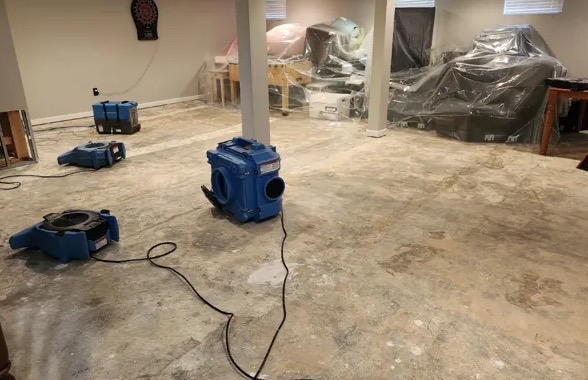
Hidden Mold Detection: Local Detection Services in Beaverton
Hidden mold detection in Beaverton prevents long-term damage from undetected spores. Local mold detection experts specialize in home mold inspection techniques that reveal mold behind walls.
Hidden mold detection for properties in Beaverton. Local mold detection experts serve here and places like Cedar Hills, West Slope and Raleigh Hills. They perform mold spore testing and post-remediation verification with detailed documentation.
Detailed Hidden Mold Detection Solutions for Beaverton
Hidden Mold Air Testing
The experts place sampling equipment strategically. Air testing detects spores from behind walls or in HVAC systems. It provides evidence for a comprehensive air quality assessment.
Wall Cavity Mold Detection
Finding mold behind drywall starts with thermal imaging. Scans show temperature shifts from damp framing. A small opening allows a camera inspection. This confirms growth near wiring or plumbing.
Surface Mold Sampling
The experts collect material from discolored surfaces using clear tape or swabs. Samples go to a lab for analysis. This confirms if a stain is mold in Beaverton.
Moisture Mapping for Mold
Finding hidden moisture prevents mold. Moisture mapping involves taking many readings to define water migration boundaries. In Beaverton, this data shows where damp pockets exist behind surfaces.
Crawl Space Mold Inspection
The experts check for plumbing leaks and condensation. They sample air or surfaces if signs are unclear. This is crucial for Beaverton, as mold causes odors and damage.
How to Know If You Need Hidden Mold Detection in Beaverton
Persistent Musty or Moldy Odors
A musty smell that lingers after cleaning suggests hidden mold growth. This often requires a professional mold smell investigation to locate the source.
Damp Feeling in Certain Rooms
A persistent feeling of dampness or chill in a room suggests hidden moisture. Moisture mapping for mold is used to find these problem areas.
Worsening Symptoms Over Time
Health problems that gradually increase in severity may be tied to growing mold. Early mold inspection and testing can prevent this escalation.
High Indoor Humidity Readings
Consistently high humidity levels above 60% create a mold-friendly environment. This often necessitates HVAC mold detection to check the air handling system.
How Hidden Mold Detection Works in Beaverton
Step 1: Detailed Property Walkthrough
The specialists conduct a room-by-room walkthrough, noting potential problem areas like water stains, condensation, or poor ventilation. This establishes a baseline for the investigation.
Step 2: Advanced Mold Detection Equipment Deployment
Specialized tools, including borescopes and hygrometers, are used to probe behind walls and measure humidity. This equipment allows for non-destructive hidden mold behind walls detection where possible.
Step 3: Strategic Airborne Spore Collection
Mold spore testing is performed by collecting air samples from areas with odors and from the building's supply vents. This helps determine if the HVAC system is distributing contaminants.
Step 4: Lab Analysis and Interpretation
Collected samples are sent to an independent lab for analysis. The experts interpret the lab report, correlating spore types with the inspection findings to pinpoint hidden mold reservoirs.
Primary Sources of Hidden Mold in Beaverton Homes
Foundation Cracks and Groundwater
Cracks in a foundation or slab can allow groundwater to seep inside. This creates a damp crawl space or basement, a common site for hidden mold.
Flooding From Appliance Failures
A burst washing machine hose or water heater leak can flood an area quickly. Water gets trapped under flooring and behind baseboards, leading to hidden mold.
Improperly Sealed Windows
Windows with failed seals allow rainwater and condensation to penetrate the wall. The trapped moisture inside the wall assembly promotes mold growth on framing.
Post-Remediation Moisture Residual
If previous water damage was not dried completely, residual moisture remains. This leftover dampness inside materials can restart the mold growth cycle silently.
Expert Hidden Mold Detection for Any Property in Beaverton
Residential Hidden Mold Detection
A home mold inspection by the experts goes beyond a visual check. It involves mold spore testing from air and hidden surfaces. This is essential after water incidents in Beaverton.
Commercial Hidden Mold Detection
Business owners require specialized mold detection to comply with health standards. Services like post-remediation verification and HVAC detection ensure remediation success and that systems are not circulating contaminants, safeguarding people.
When to Attempt DIY and When to Choose Hidden Mold Detection
Inspect exterior siding, flashing, and pipe gaps for cracks, sealing them with caulk. Ensure bathroom grout and sealant are intact. For hidden contamination, schedule hidden mold detection with experts.
Hidden Mold Detection Cost in Beaverton, OR
Mold inspection and testing pricing in Beaverton is influenced by the detail of the report and whether follow-up visits, such as for post-remediation verification, are necessary after the initial assessment.
HVAC System Complexity
A detailed HVAC mold detection service for large or multi-unit systems involves more labor and specialized mold detection equipment.
Report Detail and Analysis
A more detailed report with lab analysis from mold spore testing requires additional professional time and resources from the experts.
Post-Remediation Verification
A follow-up post-remediation mold verification visit to ensure clearance adds to the total cost of the home mold inspection process.
Does Insurance Cover Hidden Mold Detection?
Coverage for a mold odor investigation in Beaverton is not standard, subject to policy exclusions. The experts supply precise documentation, including mold spore testing data, to assist the claim process.
Benefits of Local Experts for Hidden Mold Detection in Beaverton
Comprehensive Moisture Mapping
This technique pinpoints hidden moisture sources that could lead to mold, informing a more targeted and effective detection strategy.
Actionable Assessment Reports
You receive a straightforward report outlining the findings from the hidden mold test and recommended next steps, if any are needed.
Clear Documentation for Claims
Detailed reports with photographic evidence and moisture readings are prepared to support your communication with your insurance provider.
Round-the-Clock Emergency Hidden Mold Detection for Beaverton
Don't wait with potential mold behind walls. For professional mold detection in Beaverton at any hour, call the experts directly at (503) 664-9370 for a home mold inspection.
Call Now (503) 664-9370Hidden Mold Detection Serving Beaverton and Nearby Communities
For accurate mold detection in Beaverton, the specialists offer comprehensive evaluations. This service extends to areas including Cedar Hills, West Slope and Raleigh Hills, addressing concerns like mold odor investigation.
Hidden Mold Detection FAQs
How soon after water damage should I schedule mold detection?
It's advisable to schedule an inspection promptly, as mold can begin growing within 24-48 hours in the right conditions of moisture and organic material.
What happens if hidden mold is found behind my walls?
The experts provide a detailed report documenting the extent and location, which is essential information for planning any necessary mold remediation steps.
What is the purpose of surface mold sampling during an inspection?
Surface sampling collects particles from visible suspicious areas to have them analyzed, helping to confirm if a discoloration is actually mold and identifying the type.
Should I get a mold inspection before buying a home in Beaverton?
A pre-purchase home mold inspection can reveal hidden issues affecting air quality and structural integrity, which is valuable information during the buying process.
Is air quality testing for mold different from a standard air test?
Yes, it specifically analyzes the concentration and types of mold spores in the air, providing data on indoor air contamination that a standard test does not.