Beaverton, OR · Washington County
Mold Damage Repair in Beaverton, ORHVAC Duct Mold Cleaning & Mold Damaged Flooring Removal
Mold Damage Repair in Beaverton often includes mold damaged flooring removal, post-remediation structural drying and structural wood mold treatment.
Answered 24/7
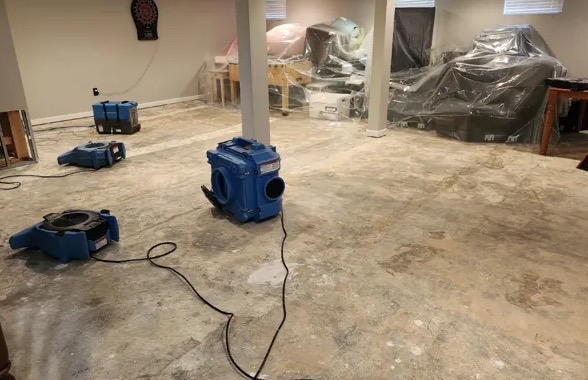
Mold Damage Repair Solutions in Beaverton, Oregon
For homes in Beaverton, restoration is needed when water lets mold grow and weaken building materials. Drying after remediation leaves no moisture for new mold.
In Beaverton, the work includes removing moldy flooring and drying the structure. Nearby places like Cedar Hills, West Slope and Raleigh Hills share similar restoration needs. Local water damage restoration experts use IICRC-standard methods for mold remediation and cleanup.
Detailed Mold Damage Repair Offerings in Beaverton
HVAC Duct Mold Cleaning
Dark, damp ductwork is a common place for mold. Cleaning uses tools that reach deep into the system and remove mold without blowing it into the living space.
Mold Damaged Flooring Removal
For residents in Beaverton, discovering mold under flooring is a stressful event. The experts remove the materials and document the damage with photos and moisture readings.
Emergency Mold Containment Setup
Containment comes first when mold growth is heavy. It involves sealing off doorways, vents, and other openings with plastic sheeting and establishing negative pressure within the work area for safety.
Subfloor Mold Remediation
Mold remediation for subfloors requires accessing a confined, often damp space. The process includes moisture mapping, controlled demolition, antimicrobial treatment, and structural drying to create a stable base for new flooring.
Mold Contaminated Insulation Removal
Once mold grows in insulation, it cannot be cleaned. The removal process involves establishing containment, extracting the material, and performing a final air scrub of the space to remove lingering particulate.
Signs of Mold Structural Damage
HVAC System With Dusty Smell
Mold in air ducts often circulates a dusty, musty odor whenever the heating or cooling runs.
Allergy Symptoms Indoors
Sudden worsening of coughs, itchy eyes, or congestion at home can be a reaction to mold spores.
Recent Water Damage Stains
Discolored ceilings or walls from past leaks can create the perfect environment for mold.
Discolored or Deteriorating Wood
Structural beams or studs that appear darkened, stained, or soft may have advanced wood mold.
How Mold Damage Repair Works in Beaverton
Step 1: Emergency Response and Evaluation
Upon quick action, the specialists assess the scope of structural damage and plan the mold damage restoration process.
Step 2: Active Mold Growth Removal
Pros physically remove all visible mold colonies and the porous materials they grow on, such as during mold contaminated insulation removal.
Step 3: Antimicrobial Application and Treatment
After removal, approved antimicrobials are applied to remaining structural surfaces to inhibit any residual mold spores from reactivating.
Step 4: Air Quality Clearance Testing
Air samples may be taken afterward to confirm spore counts are safe.
Typical Sources of Mold Structural Damage
Condensation in HVAC Ducts
Temperature differences in ductwork can create condensation, leading to mold growth inside the air distribution system.
Flooding From Storms
Stormwater entering a home saturates porous building materials, requiring drying to prevent structural mold damage.
Foundation Water Seepage
Groundwater or poor drainage can wet subfloors and support posts, causing mold in crawl spaces and basements.
Leaking Window or Door Seals
Failed caulking or seals allow rainwater intrusion into wall cavities, leading to mold on framing and insulation.
Home and Business Mold Damage Repair Serving Beaverton
Residential Mold Damage Repair
Household mold damage restoration frequently starts in bathrooms, kitchens, and basements where moisture is common. The pros treat the subfloor and remove the mold at its source.
Commercial Mold Damage Repair
For schools or medical facilities, strict protocols govern mold remediation. Pros remove black mold and repair the structure to keep occupants safe and meet code.
When to DIY and When to Hire Structural Damage Restoration Pros for Mold Damage Repair
For a visible leak, like a pipe under a sink, you can turn off the water supply to stop it. For hidden leaks inside walls that have damaged framing, the pros should find the source and make the repair.
Factors in Mold Damage Repair Pricing for Beaverton
For mold structural damage restoration, the main cost drivers are the extent of structural compromise and the type of surfaces requiring treatment, such as wood beams or subflooring.
Demolition Scope
Removing mold damaged flooring or contaminated insulation increases debris disposal costs and replacement material expenses.
Access Challenges
Hard-to-reach areas like ducts or closed subfloors take more time and tools to clean.
Containment Level
Establishing negative air pressure and sealing off work zones adds to the project scope and required equipment.
Does Insurance Cover Mold Damage Repair?
A homeowners policy may provide for mold damage repair if the mold is a direct result of a covered loss. The role of the pros is to accurately document the extent of damage with photos and moisture readings for the property owner's records. All final determinations about payment for structural repair are made by the insurer.
Why Choose Local Pros for Mold Damage Repair in Beaverton
Targeted Material Treatment
Each material gets its own procedure, such as structural wood versus ducts.
Clear Scope Communication
You receive a clear explanation of necessary steps, from mold contaminated insulation removal to final repairs.
IICRC-Standard Remediation
Methods follow industry guidelines for safe mold abatement and structural repair, focusing on containment and proper removal.
24/7 Emergency Mold Damage Repair in Beaverton
For emergency mold containment setup to stop structural damage from spreading, call (503) 664-9370 at any hour. Early work by the pros can help secure the area and begin assessment.
Call Now (503) 664-9370Mold Damage Repair Coverage in and Around Beaverton
When mold damages the structure of a home in Beaverton, this restoration is needed. It encompasses emergency mold containment setup and full repair processes, serving Beaverton, Cedar Hills, West Slope and Raleigh Hills.
Your Mold Damage Repair Questions Addressed
When is HVAC duct mold cleaning recommended?
If an inspection finds mold in the ductwork, it needs to be cleaned so the system does not spread spores through the home.
What does subfloor mold remediation entail?
It involves accessing the subfloor, assessing damage, removing moldy sections, treating adjacent joists, and installing new subfloor material after structural drying is confirmed.
What are signs of structural damage from water damage mold?
Signs include soft or warped wood, sagging floors or ceilings, crumbling drywall, and musty odors, indicating moisture has compromised the material's integrity.
Can mold remediation and structural repair happen simultaneously?
The order matters: removal and containment come first, then structural drying, then any structural repairs.
What is the goal of mold abatement in this context?
It removes active mold and spores from structural materials to a level safe for occupancy.