Beaverton, OR · Washington County
Heating System Mold Cleanup in Beaverton, ORHVAC Mold Inspection & Furnace Mold Cleanup
Heating System Mold Cleanup in Beaverton includes ductwork sealing, furnace mold cleanup, air duct mold remediation, and HVAC mold inspection.
Answered 24/7
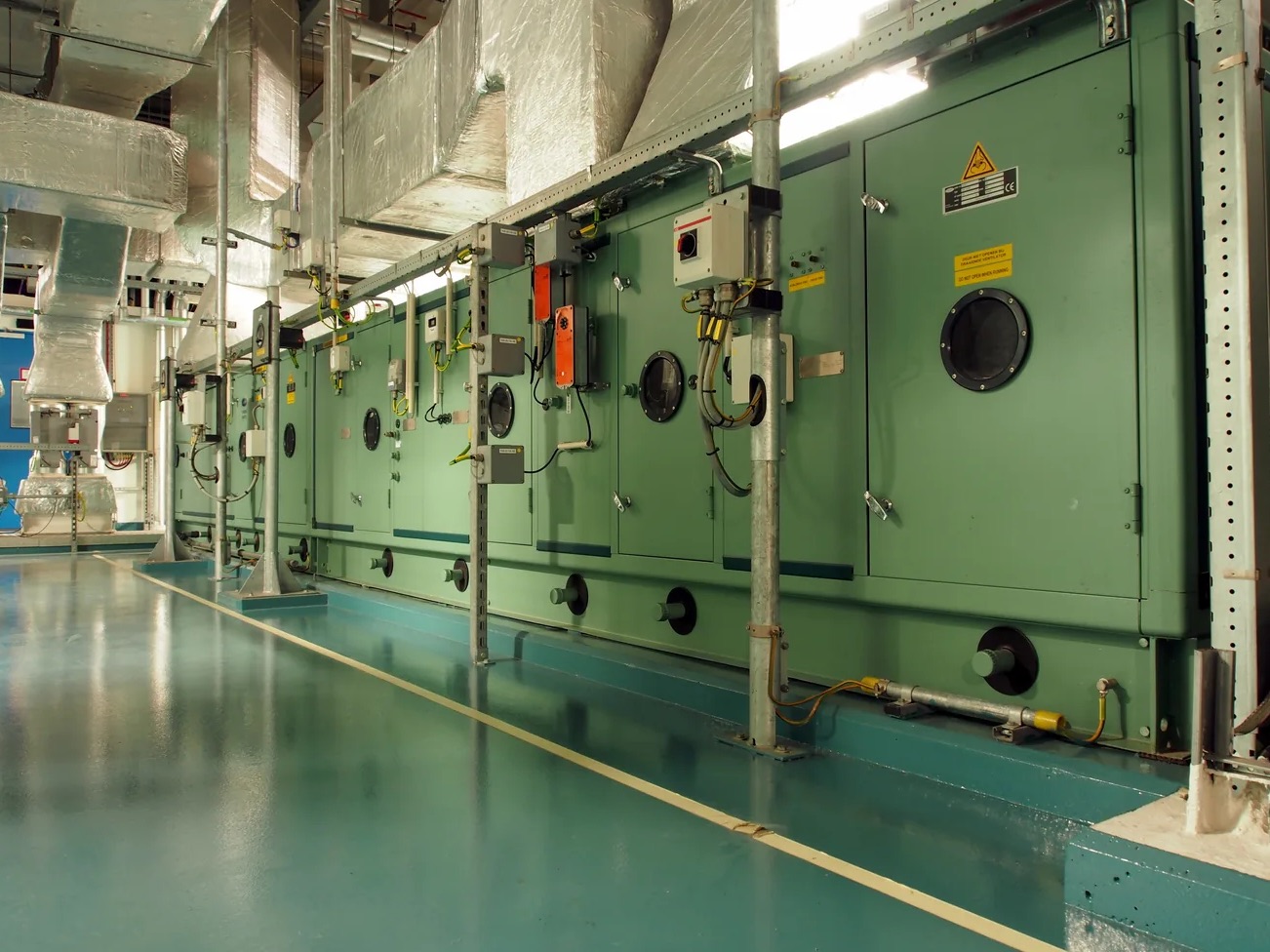
Expert Heating System Mold Cleanup for Homes in Beaverton
Forced air systems in Beaverton can actively circulate mold spores from contaminated heating vents into occupied rooms. This circulation makes heating unit sanitization a necessary step for maintaining safe indoor air conditions.
Heating unit mold cleanup is available in Beaverton and nearby areas like Cedar Hills, West Slope and Raleigh Hills. Mold in HVAC systems spreads quickly through the ducts and into indoor air. Local heating unit mold cleanup pros tailor the work to each home.
Complete Heating System Mold Cleanup Solutions in Beaverton
HVAC Mold Inspection
HVAC mold inspection identifies mold in air handlers, coils, and ducts. Local heating unit mold cleanup pros use moisture meters to find hidden contamination. This assessment is the first step for heating system mold cleanup in Beaverton.
Furnace Mold Cleanup
Furnace mold cleanup targets growth in the blower and heat exchanger. The pros disassemble components to clean surfaces. This is often part of broader heating system mold cleanup.
Evaporator Coil Mold Removal
The process involves brushing and rinsing the coil assembly. The pros eradicate mold and biofilm. This cleaning is a key objective of heating system mold cleanup.
Vent Register Mold Cleaning
The process involves removing, washing, and reinstalling grilles. The pros make sure no debris remains. This adds a finishing touch to heating system mold cleanup.
Air Handler Mold Sanitization
Post-cleanup sanitization targets remaining microbial populations. The pros apply treatments safe for the system. This is standard in thorough heating system mold cleanup.
Symptoms That Call for Heating System Mold Cleanup
Visible Mold on Registers
Dark spots or fuzzy mold around air vents or registers are a clear sign of mold in the heating system.
Recent Water Damage Nearby
Past leaks or flooding near the HVAC unit can lead to hidden mold growth inside the heating system components.
Mold in Furnace Cabinet
Opening the furnace panel and finding mold means spores are likely distributed throughout the entire forced air system.
Reduced Heating Efficiency
Higher energy bills and weak airflow can mean mold is obstructing ductwork or coating the furnace heat exchanger.
How Heating System Mold Cleanup Works in Beaverton
Step 1: Access and Preparation of HVAC System
The pros safely open access panels and prepare the furnace and ductwork for the heating unit mold cleanup procedure.
Step 2: Mechanical Cleaning of Contaminated Ducts
They use compressed air whips and rotating brushes to dislodge mold from duct walls, followed by immediate HEPA vacuum extraction.
Step 3: Targeted Furnace Mold Cleaning
The furnace interior, including the blower assembly and heat exchanger, receives specialized furnace mold cleaning and sanitizing treatment.
Step 4: Final Sanitizing and Sealing Application
A protective sanitizing sealant may be applied to duct interiors, and any leaks are sealed, concluding the ductwork mold cleaning service.
What Leads to Mold in Heating Systems in Beaverton
Air Duct Leaks and Gaps
Leaky ductwork pulls in humid air from attics or crawl spaces, depositing moisture that fosters mold inside the ducts.
Undersized or Faulty Dehumidifiers
An HVAC system that fails to properly dehumidify the air allows moisture to accumulate inside ductwork and vents.
Poor Ventilation in Home
Inadequate air exchange lets humidity build up, which the heating system then circulates, spreading mold spores throughout the house.
Post-Flood HVAC Operation
Running the furnace or AC after a flood without cleaning first forces moisture and mold spores through the entire system.
Both Residential & Commercial Heating System Mold Cleanup in Beaverton
Residential Heating System Mold Cleanup
Residential heating unit mold cleanup by the pros targets hidden mold in vents and the air handler. That stops allergens from spreading through the home's ducts.
Commercial Heating System Mold Cleanup
Commercial buildings with large central air systems need full duct mold cleanup. The pros apply scaled methods for large-volume air duct mold remediation, often concluding with post-cleanup verification testing to confirm results.
Heating System Mold Cleanup vs. DIY: When to Call Local Pros
Replace HVAC filters regularly and keep vents clear. For visible mold on exterior vent covers, a damp cloth with mild detergent can be used cautiously. However, any suspicion of mold inside the ductwork or furnace requires calling the pros for heating system mold cleanup to prevent spore dispersal.
Cost Considerations for Heating System Mold Cleanup in Beaverton
In Beaverton, cost also depends on whether air testing is done after cleaning to confirm spore levels are safe.
Containment Needs
Setting up proper containment to isolate the HVAC system during mold spore removal adds to material and setup expenses.
Accessibility Challenges
Hard-to-reach duct runs or tightly packed mechanical rooms can increase the time needed for furnace mold cleanup.
Disposal Requirements
The cost for safe disposal of contaminated materials, like insulation or filters, is factored into the final service price.
Does Insurance Cover Heating System Mold Cleanup?
When filing a claim for HVAC mold remediation, the pros in Beaverton prepare thorough documentation, including photographs and moisture mapping, to support the homeowner's submission. Final approval and any coverage for furnace mold cleaning or ductwork sealing rests entirely with the insurance company.
Reasons for Professional Heating System Mold Cleanup in Beaverton
Detailed Documentation
Thorough documentation of the mold growth and cleanup process is provided, which can be useful for your records or insurance.
24/7 Emergency Response
Help is available 24/7 for heating system mold that is spreading odors or spores through the home.
Focus on Air Quality
The goal of air handler sanitization and duct cleaning is to restore healthier indoor air by removing a contamination source.
Urgent Heating System Mold Cleanup Help Available in Beaverton, OR
Do not let mold in heating vents or your forced air system affect your family's health. The pros provide 24/7 emergency mold spore removal from HVAC in Beaverton. Call (503) 664-9370 for urgent help.
Call Now (503) 664-9370Heating System Mold Cleanup Available Throughout Washington County
For homeowners in Beaverton and the broader area like Cedar Hills, West Slope and Raleigh Hills, professional heating unit mold cleanup addresses a hidden source of air contamination.
Heating System Mold Cleanup FAQs
What is involved in heating unit mold cleanup?
The process typically includes inspection, containment, specialized cleaning of the furnace, air handler, and ducts, followed by optional post-remediation air testing for verification.
What is forced air system mold cleanup?
It means cleaning mold from every part of a forced-air system, including the furnace, ducts, coils and air handler.
What is post-remediation air testing?
It's an optional verification step where air samples are taken after cleanup to scientifically confirm that airborne spore levels have been successfully reduced.
Why is containment used during ductwork mold cleaning?
Containment with plastic sheeting isolates the work area to prevent spores from spreading to other parts of your home during the aggressive cleaning process.
Can mold return after heating unit sanitization?
If the underlying moisture source isn't fixed, regrowth is possible; the cleanup addresses the existing mold, but moisture control is key for long-term results.